

A woman’s heart is generally smaller than a man’s, typically about 20% to 26% smaller and lighter.
Not only that, but a man’s heart also increases in size as they grow older, while a woman’s heart shrinks as she ages.
The size differential of a woman’s heart impacts the ability to detect a potentially serious heart ailment, known as paradoxical low flow low gradient (LFLG) severe aortic stenosis.
What is aortic stenosis?
Aortic stenosis is a narrowing of the aortic valve opening. That opening allows oxygen-rich blood to flow out to the body when the heart beats and then closes to prevent backflow.
Stenosis occurs when a valve develops trouble opening. Because the valve is unable to open completely, the heart muscle must work harder to push blood through the valve, dramatically increasing the pressure across the faulty valve while reducing blood flow.
Aortic stenosis mainly affects older people – beginning after age 60 – but often does not show symptoms until people are in their 70s or 80s. Symptoms of aortic stenosis include a heart murmur and shortness of breath and fatigue with activity. In the later stages of the condition, symptoms include chest pain, pressure or tightness and fainting.
What is paradoxical LFLG severe aortic stenosis?
The condition is one of three sub-groups of severe aortic stenosis. It affects women in larger numbers because they have smaller hearts, but can affect men, too.
“The condition can be hard to recognize,” said Jeffrey Cook, MD, interventional cardiologist, Blessing Health System. “Patients with this condition have thick, small heart chambers. The echocardiogram measurements you normally look at, for squeezing function of the heart, will most likely be in the moderate range and not the severe range. That’s because the patient’s smaller heart has lower blood flow and lower pressure readings to begin with and is not showing the true effects of the narrowing of the aortic valve opening.”
The echocardiogram results for a person with severe aortic stenosis should show low flow and high gradient (pressure). A person with a smaller heart can have severe aortic stenosis and experience its symptoms, but their echocardiogram results may show low flow and low gradient due to their smaller heart size. And that is the paradox, or self-contradictory situation, of LFLG severe aortic stenosis. Additional testing is required in these cases.
Providers who do not regularly read echocardiogram results, as a cardiologist does, and are unfamiliar with this sub-type of severe aortic stenosis, may find the moderate-range numbers misleading. This can delay diagnosis and treatment, allowing symptoms to worsen.
“If a patient or their provider notices classic symptoms of aortic stenosis but echocardiogram test results show only moderate severity – call the Blessing Valve Clinic. We can order a heart CT scan to help sort out what is happening,” Dr. Cook recommended.
After the diagnosis
Treating aortic stenosis requires replacing the malfunctioning heart valve or valves. For many years, that had to be done during surgery.
“Some people are not candidates for surgery due to other health conditions,” said Amy Bates, APRN-AGACNP, Blessing Health System Valve Clinic Coordinator. “That’s where TAVR – transcatheter aortic valve replacement – helps. It is a minimally invasive procedure during which a new heart valve is placed via a catheter, fed through the leg to the heart, using X-ray guidance.”
Dr. Cook performs the TAVR procedure, partnering with heart surgeon Dr. John Arnold.
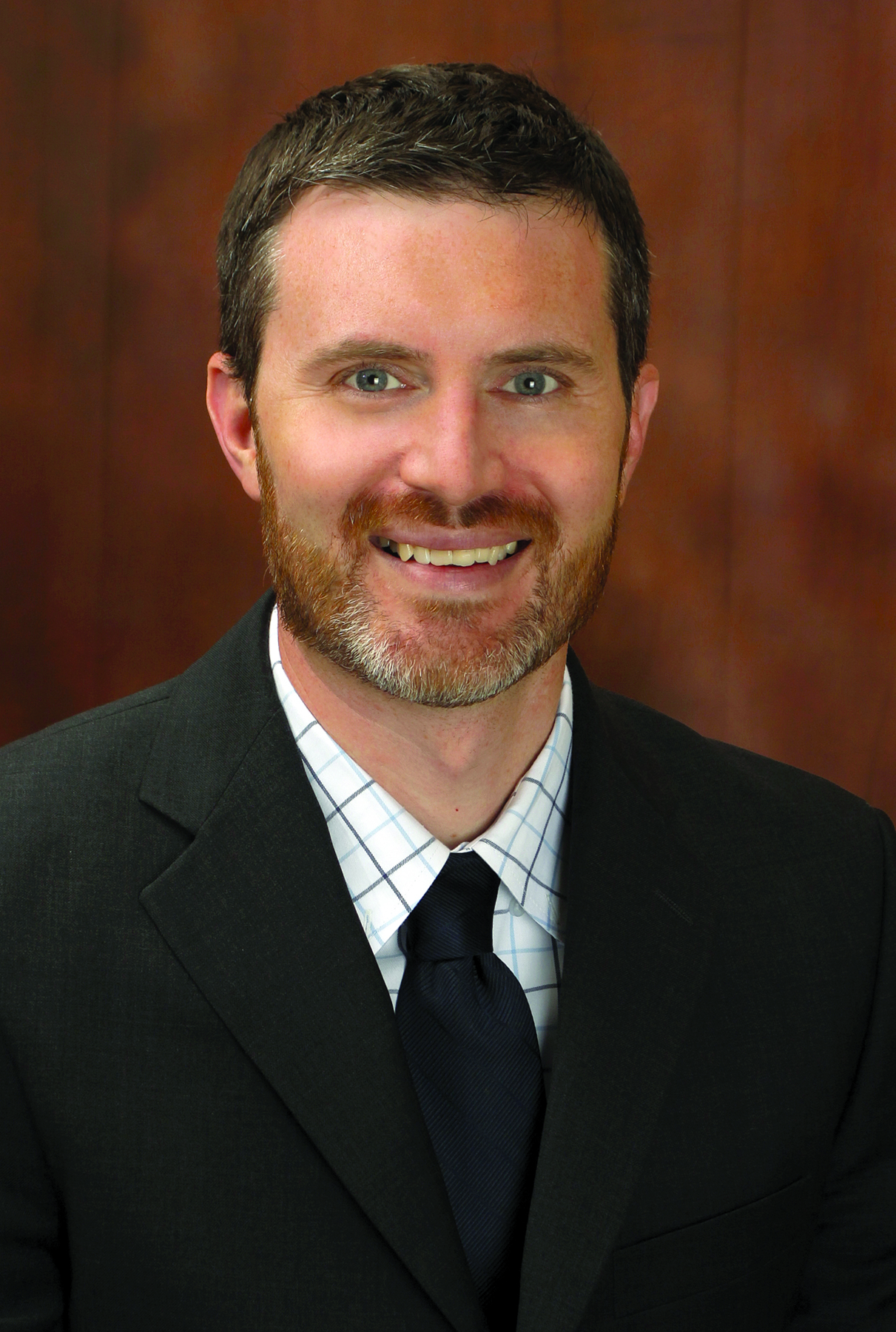
“The valve device deploys without having to stop the heart,” Dr. Arnold explained.
Patients who undergo TAVR can be released from the hospital sooner, with a shorter recovery time, than those who undergo surgical valve replacement.
“If you have had a heart murmur for a long time and start to feel fatigue and shortness of breath with activity, but your test results are not showing that is happening, ask your provider to refer you to the Heart Valve Clinic for specific LFLG severe aortic stenosis testing,” concluded Dr. Cook.
For more information, call 217-214-3444 and ask for the Valve Clinic.