
March is Colorectal Cancer Awareness Month
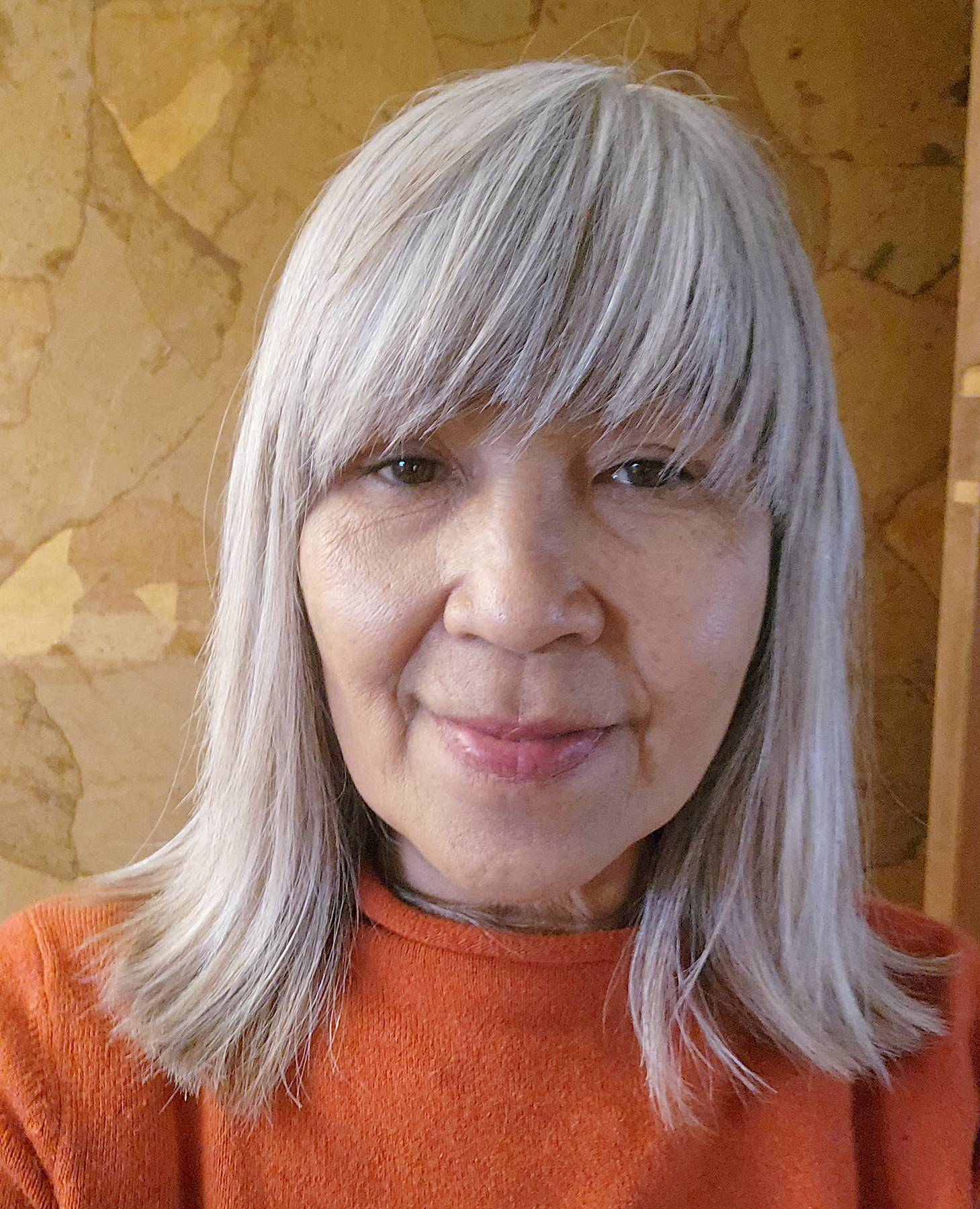
Nongrak “Kim” Rigg takes care of her health. The 65-year-old Center, Missouri resident and native of Thailand, has an active job as a recreation officer at a women’s prison. Outside of work she plays pickleball, racquetball and works out. When it comes to meal time, she chooses seafood over red meat.
But Kim’s health took an unexpected and frightening turn in 2023. She says the situation snuck up on her. Even though she felt strong and healthy, Kim began to experience gas more often than normal. Then she noticed blood in her stool, followed by constipation.
“It was really bad,” Kim vividly recalls. “I almost cried.”
The combination of her physical changes brought Kim to her Blessing Health System primary care physician. The initial test showed the possibility of colorectal cancer. Further testing at Blessing Health Hannibal confirmed Kim had stage 3 colorectal cancer.
The colon removes water and some nutrients and electrolytes from partially digested food. The remaining material, solid waste called stool, moves through the colon and is stored in the rectum until it is expelled by the body through the anus. Colorectal cancer starts in polyps on the inner lining of the colon and rectum. It is the second leading cause of cancer deaths in the United States.
“I was mad at the world,” Kim remembers after receiving her diagnosis. “I eat healthy and exercise. Suddenly this happens to me.”
“I was freaking out,” said Kim’s husband of 22 years, Jim. “I didn’t know what to do.”
Kim’s focus changes
Kim soon lost her anger. “I could not be mad at anyone. I don’t know what happened. I just needed to deal with it.”
Helping her deal with it was her medical team of Drs. Bhagirath Katbamna; gastroenterologist; Arif Bari, medical oncologist and the staff of the Blessing Health Hannibal Cancer Center; Joseph Bean, radiation oncologist, James E. Cary Cancer Center; and fellowship trained colon and rectal cancer surgeon Harsha Polavarapu.
Kim and Jim briefly considered travelling to her native Thailand for treatment where her care would be free. Members of her medical team suggested the Riggs remain in the United States to receive what the team members believed would be a higher level of care. Kim and Jim took the advice.
The treatment was not easy for Kim. It began with chemotherapy and radiation therapy treatments to shrink the cancer. The treatments made her weak and sick. Kim lost more than 20 pounds, but powered through.
The next step was for Dr. Harsha to remove 12 inches of her colon affected by the cancer. Kim wore a pouch/bag attached to her abdomen to collect waste for three months while she healed, and underwent follow-up chemotherapy.
On March 2025 – 20 months after learning she had cancer – Kim finished treatment. She receives regular testing which to date has shown no cancer. Kim says she feels good.
“They saved my life. I believe that,” she said of her medical team. “They made me feel like family.”
Awareness is the first step to better health
Kim knows that colorectal cancer is now affecting more people under age 50 in greater numbers. She wants everyone to be aware.
“I never thought cancer would happen to me,” Kim said. “It could happen to anybody. Have regular exams and take care of yourself. If you feel or see something different, go have it checked. The earlier the better.”
In general, it is recommended to get screened for colorectal cancer starting at age 45 for both men and women. For people with certain risk factors, screening should start earlier. A person should speak with their primary care provider about the screening option and schedule for which their personal risk factors are best suited.
“Don’t be stubborn,” said Jim, a self-proclaimed “stubborn old man”. His wife’s experience taught him to appreciate the importance of getting medical care sooner rather than later.
For more information on colorectal cancer, go to blessinghealth.org/colon. Blessing is also providing free, take-home colorectal cancer screening kits during March, until supplies run out, at locations in west central Illinois and northeast Missouri. To learn where to get a free screening kit, go to blessinghealth.org/colonmonth.